Hardwood vs Waterproof Faux-Wood Shutters: The Honest Side-By-Side
Half of every shutter survey we do turns into a materials conversation. Hardwood or faux-wood? Real timber or engineered composite? Which is 'better'? The honest answer is neither — they're each better in different rooms. Here's how we actually recommend them across the average Northern Irish home.
The short answer
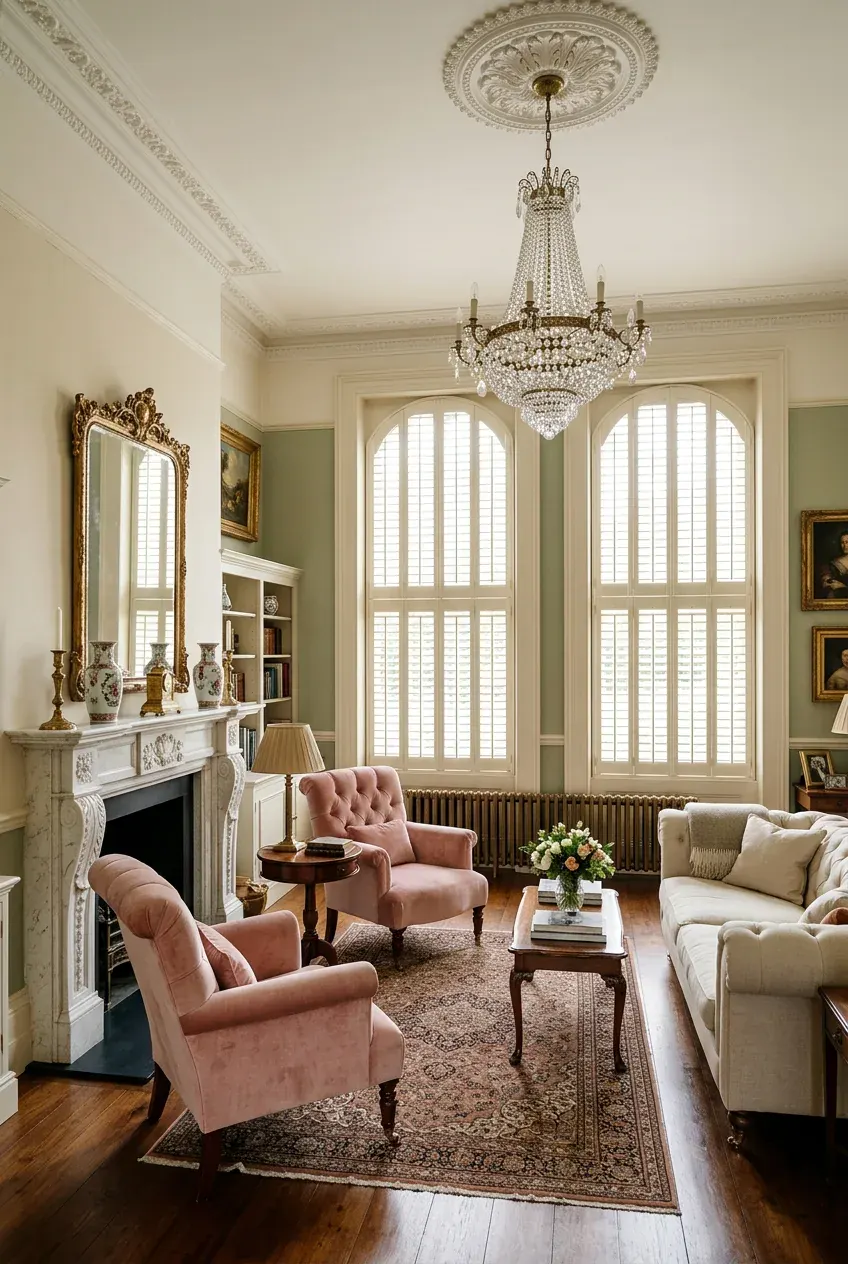
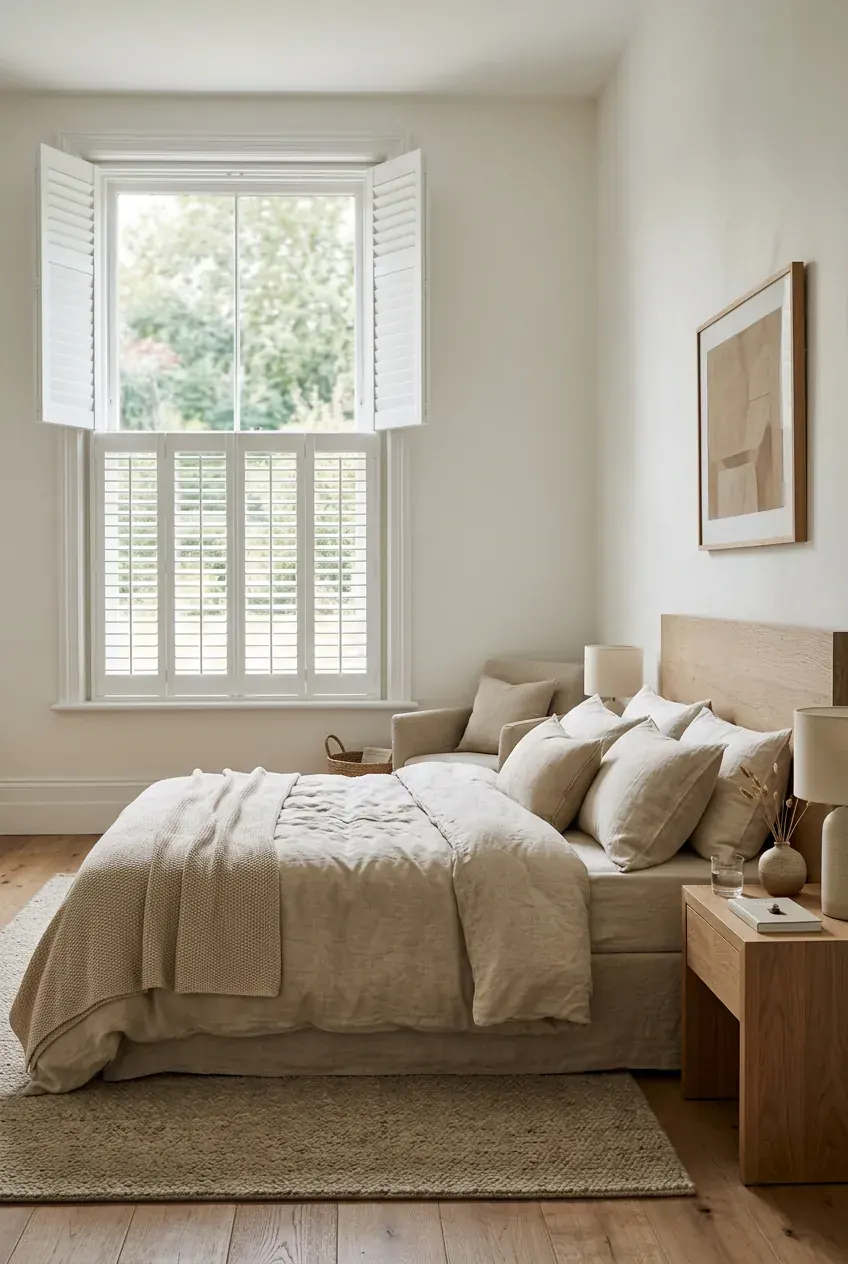
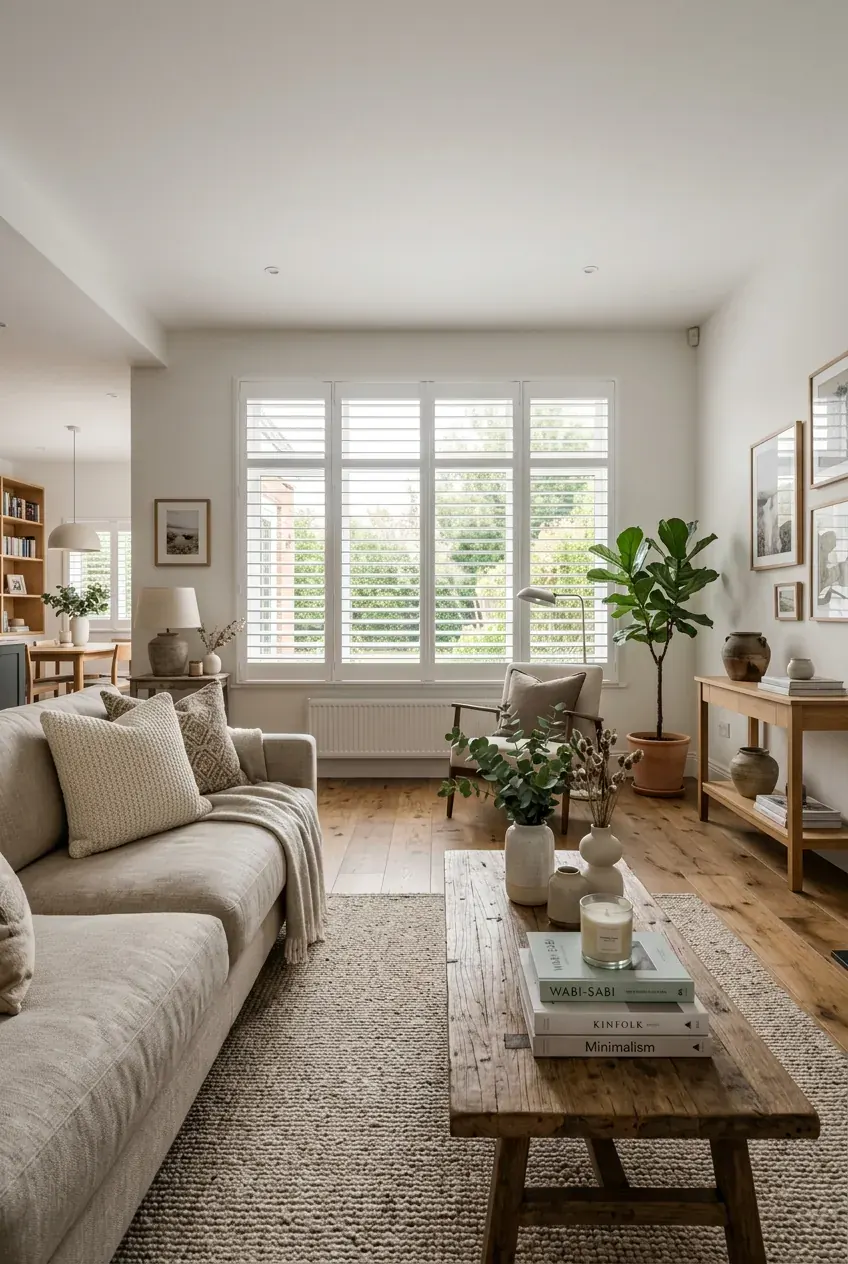
- Dry rooms — living rooms, bedrooms, hallways, dining rooms, home offices → hardwood.
- Wet rooms — bathrooms, en-suites, kitchens over the sink, utilities → waterproof faux-wood.
- Whole-home installs — usually a mix, spec'd room-by-room during the survey.
Hardwood: the flagship
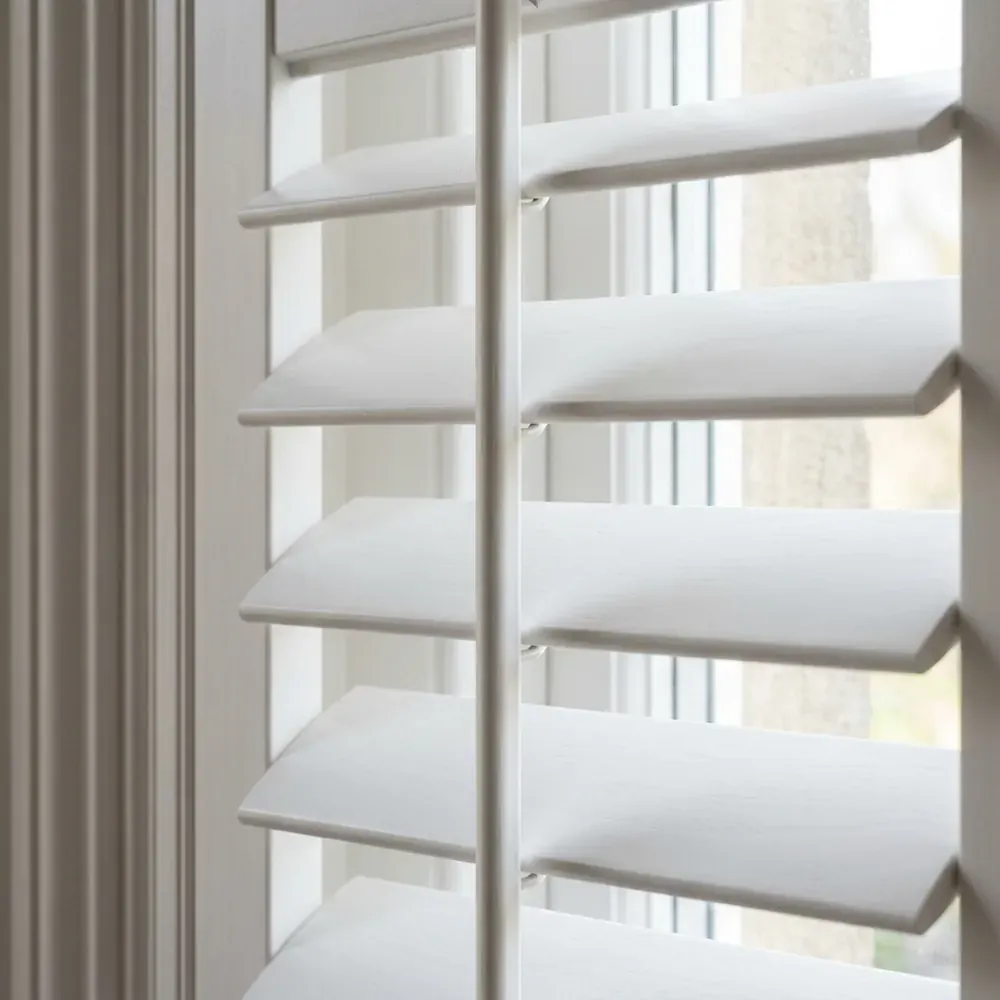
Our hardwood range is solid, kiln-dried timber with a hand-applied factory finish. It's heavier, richer-looking, and warmer to the touch than any composite. Louvre-for-louvre it insulates roughly 15% better than faux-wood (real wood is a natural insulator; polymer is not). It can be sanded and refinished decades later. It's the material we'd fit in our own homes for any dry room.
Where hardwood doesn't work
Bathrooms, en-suites, over the hob, over the kitchen sink, utilities. Any room with sustained humidity or direct water splash will eventually swell any timber panel, no matter how well finished. We won't fit hardwood there — regardless of customer preference.
Waterproof faux-wood: the specialist
An engineered polymer composite with a factory-painted finish. Impervious to moisture, non-porous, won't warp, won't swell, won't yellow. It looks identical to painted hardwood from a metre away and is significantly cheaper per square metre. In a wet room it's not just acceptable — it's the correct spec.
The one downside
Faux-wood is heavier than hardwood, which slightly limits the maximum panel size we can build. On very tall bathroom windows (2.4m+) we sometimes split the panel into two vertically to keep the weight manageable. Rare in NI homes, but worth knowing.
Price comparison
Hardwood adds roughly 25-40% over the equivalent faux-wood on the same window. On a whole-house install where half the rooms are wet and half are dry, the mixed spec usually lands somewhere in the middle.
The right shutter is the one that's still perfect ten years after you fit it. That's usually not the same material in every room.
What we NEVER fit
PVC. In any room. In any home. In any climate. It sags, discolours, doesn't insulate, and rarely lasts five years. If a shutter company is quoting you PVC because it's 'cheaper' — that's the wrong company.